
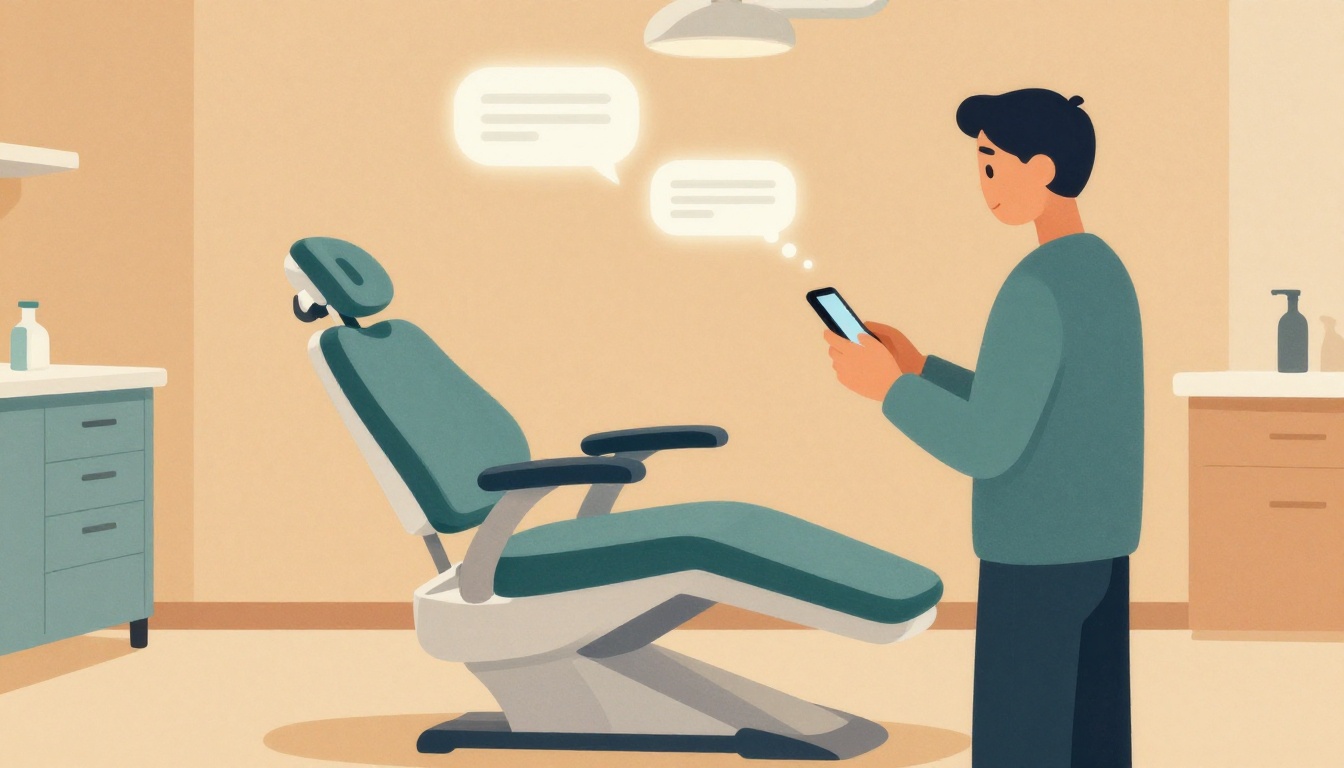
Empty chairs are expensive. If your schedule has gaps and your database is full of patients you haven't seen in a year or more, you don't need more new-patient marketing — you need a reactivation campaign. Former patients already know your office, your team, and your providers, which makes them the cheapest source of production you have.
According to the research, what open rate does SMS achieve compared with email for patient reactivation?
Select one answer.
Step 1: Define who counts as inactive
You can't reactivate a list you haven't defined. Most practices treat a patient as inactive once they haven't been seen or booked for roughly 18 months, though some use a 12-month window for hygiene-only patients. Pull that list from your practice management software and confirm it against your last-visit dates.
A useful starting point is to build a complete database of previous patients you haven't treated in the last 18 to 24 months, as Dental Intelligence describes. Apex Dental Partners defines an inactive patient as one who has not attended or made an appointment for at least 18 months, and notes that patients seen within 18 months who haven't scheduled their next visit belong in a separate recall group.
Step 2: Segment before you send anything
Blasting your entire database with one message gets ignored or unsubscribed. Break the list into meaningful groups, as RAMP Results recommends:
- Active patients (seen in the last 12–18 months): recall reminders, not reactivation.
- Lapsed hygiene patients (18–24 months): gentle reactivation with a specific appointment offer.
- Long-lapsed patients (24+ months): low-pressure single outreach.
- Patients with unfinished treatment: separate messaging tied to their treatment plan.
Segmenting lets you match tone and offer to how long the patient has been gone, which raises response rates and protects your brand.
Step 3: Sequence multiple channels
One message rarely brings a patient back. Apex Dental Partners' CMO Jake Dold explains that their approach "uses a combination of communication methods, arranged in a strategic sequence," adding that "by combining text, email, postcards and phone calls each patient has a higher probability of receiving at least a couple of touchpoints."
A practical six-week sequence looks like this:
- Day 1 — Text: short, personal, names a specific opening.
- Day 3 — Email: slightly longer, explains the value of returning.
- Day 7 — Phone call: for patients who opened but didn't reply.
- Day 14 — Text follow-up: urgency or a new time slot.
- Day 28 — Postcard or email: final touch for non-responders.
- Day 42 — Close the loop: move non-responders to a quarterly nurture list.
SMS is the highest-performing channel in this mix. According to My Business Care Team, SMS achieves a 98% open rate compared with 20–30% for email, and 90% of texts are read within three minutes.
Step 4: Write messages that get replies
Effective reactivation messages are short, friendly, name the patient, and offer a specific time or a one-tap booking link. PatientXpress notes that practices running sequenced recall text campaigns typically reactivate 15 to 25 percent of lapsed patients within 60 days.
Use this checklist for every message:
- Use the patient's first name.
- Name your practice so it isn't mistaken for spam.
- Offer a specific day and time, or a reply keyword like BOOK.
- Keep the tone warm and non-judgmental — "life gets busy" beats "you're overdue."
- Include an opt-out line such as "Reply STOP to unsubscribe" to stay compliant.
- Never include clinical details in a text message.
Step 5: Track and refine
Measure reply rate, booked appointments, and show rate by segment and channel. If texts outperform email in one segment, shift budget there. If long-lapsed patients don't respond after two touches, stop — repeated outreach to that group damages your reputation more than it recovers revenue.
Quick-start checklist
- Pull your inactive list (18–24 months, no appointment).
- Segment by recency and treatment status.
- Draft text, email, and voicemail scripts for each segment.
- Load the six-week sequence into your patient communication tool.
- Assign one team member to own replies and booking.
- Review results after 60 days and adjust.
How the Featured Expert Can Help
Tonya Brock is a fractional dental operations partner who helps practice owners reclaim time and improve efficiency. Her work centers on unscheduled treatment and practice management solutions that streamline daily operations, offering executive-level expertise without a full-time hire. You can learn more at tbrockdentalops.com.
Before you send your first reactivation message, test your knowledge: