
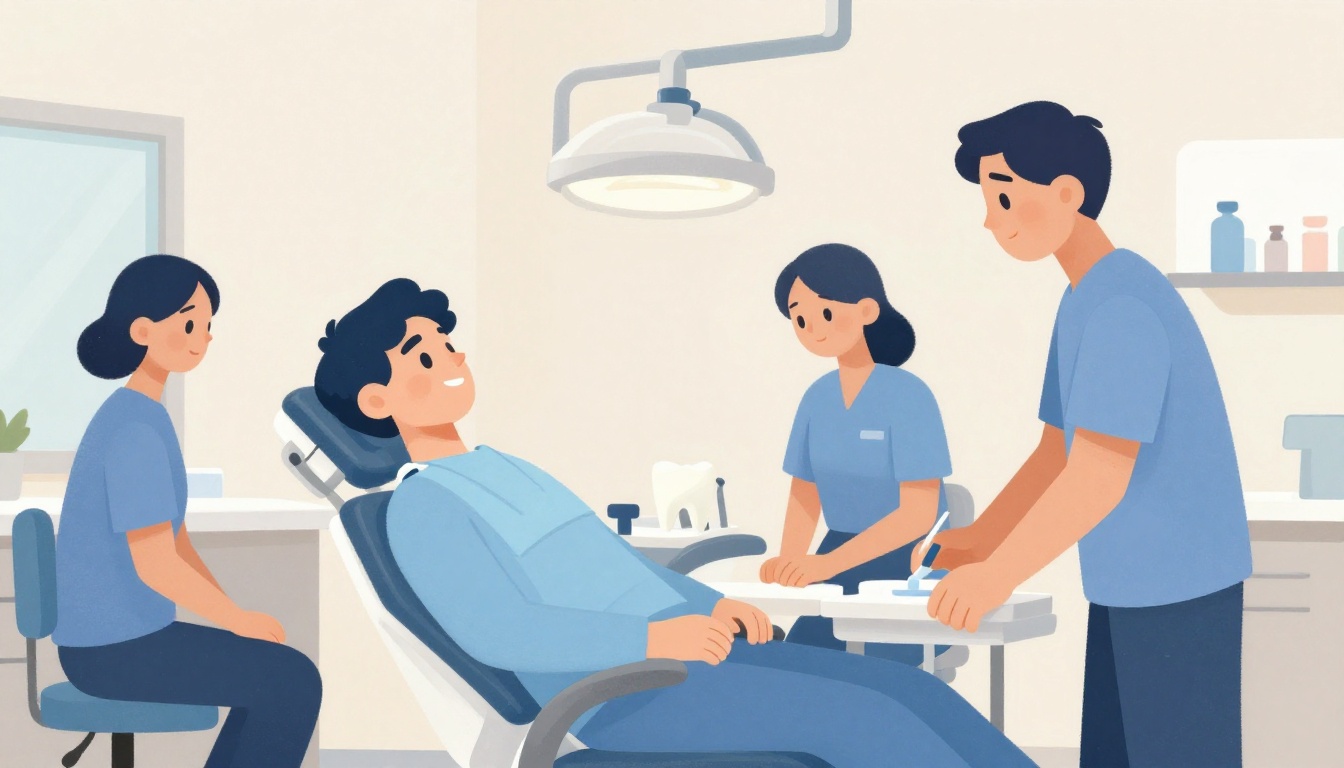
When a team member calls in sick or takes a vacation, does your practice grind to a halt? If the front desk can't check in a patient because the receptionist is out, or the clinical team can't cover a simple sterilization task, you are losing revenue and frustrating patients. Cross-training your dental team is the most practical way to build resilience into your daily operations. A cross-trained team has a somewhat automated connection to the overall office routines beyond their primary roles, making their energy available when and where it is needed most (source: Jarvis Analytics).
What is one key benefit of cross-training dental assistants according to the DANB?
Select one answer.
Why cross-training matters for your practice
Cross-training is a process in which team members are taught new skills and responsibilities beyond their traditional duties (source: DANB). This approach directly addresses the staffing gaps that plague many dental offices. When dental assistants can handle a broader range of tasks, it frees up the dentist's time to focus on more complex procedures. Additionally, cross-trained dental assistants can fill gaps in the schedule when other staff members are unavailable, ensuring that patients receive the care they need without disruption (source: DANB).
Beyond operational continuity, cross-training builds empathy across your team. Administrative staff gain insight into the demands of sterilization and chairside setup, while clinical staff understand the effort behind scheduling and insurance verification. When one is able to experience all areas of practice operations, there is more empathy toward fellow team members' daily task lists (source: AADOM).
Step 1: Identify primary and secondary roles
Start by defining each team member's primary role and then identify one or two secondary roles they can learn. For example:
- Dental assistant primary role: Orchestrate an efficient clinical workflow. Secondary role: Help with lab case management, unscheduled patient follow-up, or front-desk check-out.
- Hygienist primary role: Educate patients and treat periodontal disease. Secondary role: Check in with overdue recare patients or make follow-up calls to unscheduled hygiene patients.
- Front desk primary role: Scheduling, billing, and patient communication. Secondary role: Turn over a dental chair, walk a patient in efficiently, or assist with sterilization during peak times.
Document these roles in a simple skills matrix. A written list of secondary systems — such as lab case management, unscheduled patients, and referral follow-up — ensures everyone knows where to jump in when needed (source: Novonee).
Step 2: Create a cross-training schedule
Training should fit your practice schedule, not disrupt it. Use these practical approaches:
- 15-minute morning huddles: Dedicate one huddle per week to a cross-training topic, such as how to schedule an appointment or how to use the credit card machine.
- Lunch-and-learn sessions: Use this format for deeper dives into insurance verification or treatment presentation.
- Monthly focus areas: Pick one skill per month and reinforce it with brief daily reminders.
- Digital modules: Have staff complete short online training during naturally slower periods.
Schedule quarterly team activities that strengthen relationships and create cross-training between front and clinical staff to build understanding (source: Wonderful Dental).
Step 3: Build standard operating procedures (SOPs)
An effective cross-training program includes vital standard operating procedures, workflow lists, and easy-to-use patient communication solutions (source: Solutionreach). Write down every step for each secondary role. For example, create a one-page guide for checking out a patient that includes collecting copayments, scheduling the next visit, and confirming insurance. Store these SOPs in a shared digital location so any team member can access them instantly.
Step 4: Test and reinforce skills
Cross-training is not a one-time event. Schedule quarterly refreshers and role-playing exercises. During periods of growth, the increased workload comes without the immediate revenue needed to hire an additional employee — this is an excellent opportunity to improve your team's skills and utilize their capacities more efficiently (source: AADOM).
Step 5: Measure the impact
Track how often cross-trained team members step into secondary roles. Monitor metrics like reduced overtime, fewer patient wait times, and improved staff satisfaction. When your team knows they can rely on each other, stress decreases and productivity increases.
How the Featured Expert Can Help
Tonya Brock, a fractional dental operations partner at tbrockdentalops.com, specializes in helping practice owners reclaim time and improve efficiency through practice management solutions. She focuses on tackling unscheduled treatment and streamlining daily operations, making her an ideal partner to help you design and implement a cross-training plan tailored to your practice's specific needs.
Quiz
What is one key benefit of cross-training dental assistants according to the DANB?
- They can fill gaps in the schedule when other staff members are unavailable.
- They automatically receive a pay raise.
- They no longer need to assist with chairside duties.